News
Finding a Vision for the Future Through Education
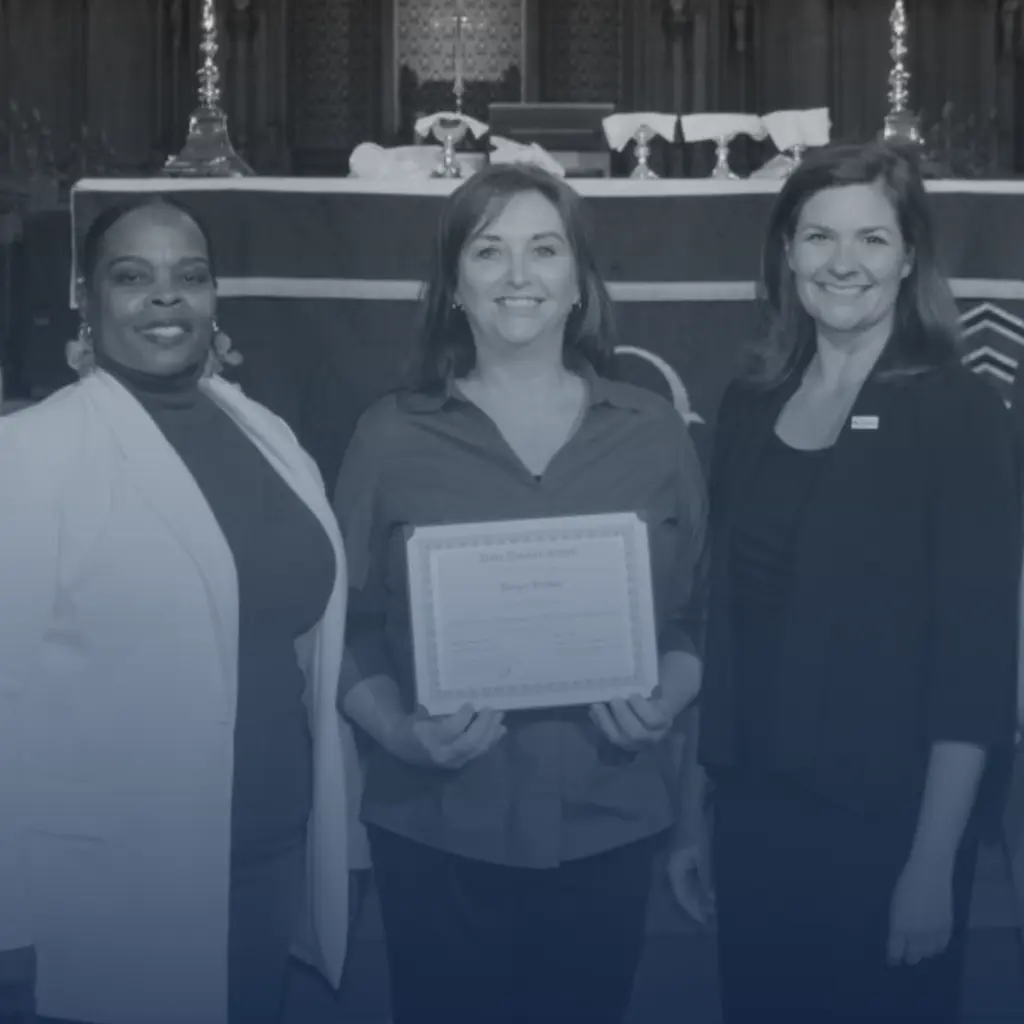
By Roxanne Fortney
Starting the interview with Jorgie, she immediately opened up about why she wants to be a voice for secondary education in carceral settings.
“The stigma won’t ever go away if they never see success stories.”
The UNC Correctional Education Program offers courses through both correspondence and on-site instruction. The Outreach (correspondence) Program, conducted by mail, is offered to all fifty-five correctional facilities in North Carolina. On-site instruction is currently offered at six correctional facilities within approximately an hour radius of Chapel Hill.
Jorgie began by reflecting on what motivated her to apply for a UNC course while incarcerated.
“Growing up, UNC was the place to go, but I never felt like I was good enough or smart enough and that I wouldn’t fit in. Applying to the program was a good opportunity for me to be challenged intellectually and do something that I never thought I could do – be a student at UNC.”
Jorgie shared her experiences taking an Outreach (correspondence) course and an On-Site course.
Introduction to Literature (Outreach)
“The correspondence course was different. I got a stack of books in the mail and had to make space in my locker for all of them! After you read each book, you had to complete the corresponding assignment, write a paper, and mail it in. The course kept me busy and out of trouble.
The most impactful book I read was ‘The Things They Carried’ by Tim O’Brien. It was about a Vietnam veteran who struggled with PTSD. When reading the book, I had no idea how healing it would be.
“This book changed my life.”
— Jorgie, reflecting on reading The Things They Carried through UNC Correctional Education
My dad was a Vietnam veteran who struggled with PTSD, alcoholism, and substance abuse. My dad passed away in 2005. There was a lot of unresolved stuff between us. I knew my dad had issues and would do crazy things, but I didn’t know why.
What happened to my dad happened to all of us.
The book gave so much insight into my own life experience and where all of my trauma had come from, something I did not expect to get from a course.
The course gave me so much more than I had ever anticipated. I was able to understand what my dad went through and forgive him. That was really healing.”
Introduction to Fiction (On-Site)
Jorgie described her experience in the on-site class as both challenging and empowering.
“It was so good! Professor Holt was so engaging. At first, I was worried she’d have different expectations for us because we were ‘inside’ students. She definitely didn’t. We were challenged! We read poetry and fiction. The whole experience gave me a lot of self-confidence. I really enjoyed the conversations we had in class and hated for it to end so soon.”
Looking Toward the Future
Today, Jorgie is attending Campbell University, where she is pursuing a degree in psychology with a minor in criminal justice. She expects to graduate in Spring 2028.
She also works in workforce development, helping people navigate employment opportunities after incarceration.
Reflecting on the broader impact of educational opportunities while incarcerated, Jorgie emphasized the role that programs like UNC Correctional Education can play in transforming lives.
“Being a part of programs, like the UNC program, helped me have a vision for my life.
It gave me self-confidence and improved my self-esteem. I think that’s a big reason why education makes such an impact on recidivism. It gives people self-confidence within themselves to believe they can do so much more than they thought they could.”
Closing Reflection
For Jorgie, participating in UNC Correctional Education was about more than earning course credit. Through literature, meaningful classroom discussions, and academic challenges, she found healing, confidence, and a renewed sense of possibility for her future. Her story serves as a reminder that education can be transformative, not only in preparing people for the future, but also in helping them better understand themselves and their experiences.


